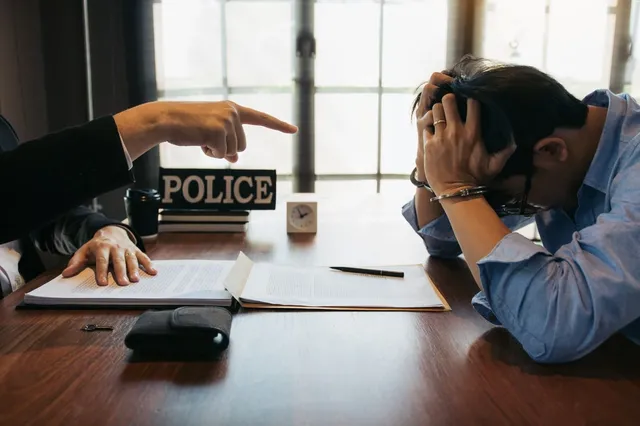
Police officers are entrusted with significant authority to protect the public, maintain order, and enforce the law. However, when that authority is abused through excessive force, unlawful searches, false arrest, racial profiling, or other forms of misconduct, individuals may have legal rights and potential claims for compensation.
For people in Los Angeles who believe they have experienced police misconduct or brutality, finding the right attorney can be an important first step. Civil rights cases can involve complicated legal standards, government agencies, evidence requirements, and strict filing deadlines. An attorney with experience handling police misconduct and civil rights matters can help evaluate the circumstances and explain available legal options.
This guide explains what police misconduct and brutality cases involve, the types of claims that may arise, what to look for in a Los Angeles law firm, how these cases generally work, and questions to ask before hiring an attorney.
What Is Police Misconduct?
Police misconduct generally refers to inappropriate, unlawful, or abusive conduct by a law enforcement officer while performing official duties. Misconduct can take many forms and is not limited to physical violence.
Examples may include:
- Excessive or unreasonable use of force
- Unlawful arrest or detention
- False imprisonment
- Unlawful search or seizure
- Excessive use of Tasers or other force
- Unlawful shooting
- Racial profiling or discriminatory treatment
- Fabrication of evidence
- False police reports
- Failure to intervene in certain circumstances
- Failure to provide appropriate medical attention
- Sexual misconduct by an officer
- Abuse of authority
- Retaliation for exercising constitutional rights
Not every unpleasant or disputed interaction with police automatically establishes legal liability. The specific facts, applicable law, available evidence, and circumstances surrounding the incident generally determine whether a viable claim exists.
What Is Police Brutality?
Police brutality is commonly used to describe excessive, unnecessary, or unlawful physical force by law enforcement.
Potential examples can include:
- Unnecessary physical strikes
- Excessive restraint
- Improper use of a baton
- Excessive use of a Taser
- Unreasonable use of chemical agents
- Unjustified shooting
- Excessive force during an arrest
- Excessive force against a person who is already restrained
Determining whether force was excessive usually requires examining the circumstances surrounding the encounter rather than simply looking at the injury that occurred.
Factors such as the seriousness of the alleged offense, whether the person posed an immediate threat, whether the person was resisting or attempting to flee, and the actions of the officers may be relevant.
Why Hire a Los Angeles Police Misconduct Attorney?
Police misconduct cases can be different from ordinary personal injury claims because they may involve constitutional rights and government defendants.
An experienced attorney can potentially help with:
1. Evaluating Your Legal Claim
A lawyer can review the facts and determine which legal theories may apply. Depending on the circumstances, a case could involve federal civil rights law, California law, or other legal claims.
2. Gathering Evidence
Evidence can disappear or become more difficult to obtain over time. Attorneys may investigate sources such as:
- Body-camera footage
- Dash-camera footage
- Surveillance video
- Cellphone recordings
- Photographs
- Medical records
- Police reports
- Witness statements
- 911 recordings
- Dispatch records
- Arrest records
- Personnel or disciplinary records when legally obtainable
3. Communicating With Government Entities
Claims involving police departments, cities, counties, or other governmental entities can involve special procedures. An attorney can help determine which notices, claims, or lawsuits may be required.
4. Calculating Damages
A police misconduct case may involve physical injuries, emotional distress, medical expenses, lost income, property damage, and other losses. The appropriate damages depend on the circumstances and applicable law.
5. Negotiating or Litigating the Case
Some cases may resolve through settlement negotiations. Others may proceed to litigation. A lawyer can explain the advantages and risks associated with the available strategies.
Types of Police Misconduct Cases
Los Angeles attorneys handling police misconduct cases may work on several categories of civil rights and excessive-force claims.
Excessive Force Claims
One of the most common allegations involves the use of excessive force.
The central question is generally whether the force used was objectively unreasonable under the circumstances. The analysis can depend heavily on what officers knew and perceived at the time of the encounter.
Evidence such as video footage, eyewitness accounts, medical documentation, and photographs may become important.
False Arrest and Unlawful Detention
A person may have a potential claim when law enforcement allegedly arrests or detains them without sufficient legal justification.
These cases can require careful analysis of what officers knew before making the arrest, whether probable cause existed, and what happened during the detention.
Unlawful Search and Seizure
The Fourth Amendment provides protections against unreasonable searches and seizures.
Potential disputes may involve searches of:
- Homes
- Vehicles
- Personal belongings
- Electronic devices
- Individuals
The legality of a search can depend on circumstances such as warrants, consent, probable cause, exceptions to the warrant requirement, and other factors.
Wrongful or Unjustified Police Shooting
Cases involving police shootings can be particularly complex.
Attorneys may investigate the events leading up to the shooting, officer statements, witness accounts, available video, physical evidence, departmental policies, and other circumstances.
Because these cases can involve serious injuries or fatalities, prompt legal investigation may be especially important.
Racial Profiling and Discrimination
Allegations that an individual was targeted or treated differently because of race or another protected characteristic may raise civil rights issues.
These claims can require evidence demonstrating discriminatory treatment or an unlawful policy or practice.
Failure to Intervene
In some circumstances, an officer may be accused of failing to prevent another officer from using unlawful force or engaging in misconduct.
Whether such a claim exists depends on the facts and applicable law.
How to Choose the Top Los Angeles Police Misconduct & Brutality Law Firm
The “best” law firm is not necessarily the largest or most heavily advertised firm. The right attorney should have relevant experience and be prepared to understand the specific facts of your case.
Consider the following factors.
1. Experience With Civil Rights Cases
Look for an attorney who regularly handles civil rights litigation, police misconduct, excessive-force cases, or related matters.
General personal injury experience can be valuable, but police misconduct cases can involve additional constitutional and governmental-law issues.
2. Experience With Government Defendants
Cases against cities, counties, police departments, and individual officers can involve procedural and legal complications.
Ask whether the attorney has handled cases involving governmental entities.
3. Trial Experience
Although many legal disputes settle before trial, courtroom experience can be valuable.
Ask about the attorney’s experience taking civil rights and police misconduct cases through litigation rather than simply negotiating settlements.
4. Investigative Resources
Strong cases often require detailed factual investigation.
A law firm may work with investigators, medical professionals, accident or use-of-force experts, forensic specialists, and other professionals depending on the case.
5. Communication
Your attorney should explain the case clearly and provide reasonable updates.
During an initial consultation, ask:
- Who will handle my case?
- How frequently will I receive updates?
- Who should I contact with questions?
- Will I work directly with an attorney or primarily with support staff?
6. Fee Structure
Many civil rights and personal injury attorneys offer consultations and may handle qualifying cases on a contingency-fee basis, meaning attorney fees are generally tied to recovery.
However, fee arrangements differ by firm and case. Always ask for a clear explanation of:
- Attorney fees
- Litigation expenses
- Expert costs
- Investigation costs
- Court costs
- What happens if the case is unsuccessful
Get the fee agreement in writing before proceeding.
What Should You Bring to a Lawyer Consultation?
Organizing information before meeting an attorney can make the initial consultation more productive.
Consider bringing or preserving:
Incident Information
Write down the date, approximate time, and location of the incident.
Officer Information
Record officer names, badge numbers, patrol-car information, or department information if available.
Photographs and Videos
Keep original photographs and videos rather than relying only on edited or compressed copies.
Medical Records
Medical documentation can help establish the nature and extent of injuries.
Witness Information
Write down the names and contact information of people who witnessed the incident, if available.
Documents
Keep copies of:
- Police reports
- Citation documents
- Arrest paperwork
- Court documents
- Medical bills
- Insurance correspondence
- Other communications related to the incident
Do not delete potentially relevant messages, photographs, videos, or other digital evidence.
What Happens After Hiring a Police Misconduct Lawyer?
Every case is different, but a civil rights attorney may generally follow several stages.
Initial Investigation
The attorney reviews the facts, documents, injuries, witnesses, and potential legal claims.
Evidence Collection
The legal team may seek available recordings, reports, photographs, medical documentation, witness statements, and other evidence.
Claim Evaluation
The attorney determines which parties may potentially be responsible and which causes of action may apply.
Government Claim Requirements
Some claims against California public entities may involve special administrative procedures and deadlines. These requirements can be different from ordinary civil lawsuits.
Because missing a deadline can seriously affect legal rights, it is important to discuss the matter with a qualified attorney promptly.
Filing a Lawsuit
If the matter proceeds to litigation, the attorney may prepare and file a complaint.
The defendants may respond, followed by discovery and other litigation procedures.
Discovery
During discovery, parties can exchange information and gather evidence through mechanisms such as:
- Interrogatories
- Requests for documents
- Requests for admission
- Depositions
Settlement Negotiations
Many lawsuits resolve through negotiation or mediation.
An attorney can evaluate settlement proposals and explain potential advantages and disadvantages.
Trial
If a satisfactory settlement cannot be reached, the case may proceed to trial.
The outcome can depend on the evidence, legal arguments, credibility of witnesses, and applicable law.
Common Challenges in Police Misconduct Cases
Police misconduct litigation can present several challenges.
Conflicting Accounts
The person making the allegation and officers involved may provide different descriptions of what happened.
Video evidence, independent witnesses, physical evidence, and contemporaneous records can therefore become particularly important.
Government Defenses
Government defendants may raise various legal defenses depending on the allegations and circumstances.
Qualified Immunity
In some federal civil rights lawsuits involving government officials, qualified immunity may become an issue. Its application is highly fact-specific and legally complex.
Evidence Preservation
Video recordings and electronic information may not remain available indefinitely. Promptly discussing evidence preservation with an attorney can therefore be important.
Filing Deadlines
Different claims can have different statutes of limitations and procedural requirements. Waiting too long can jeopardize a potential claim.
Questions to Ask Before Hiring a Los Angeles Police Misconduct Lawyer
Before choosing a law firm, consider asking:
- How much experience do you have with police misconduct cases?
- Have you handled excessive-force or police brutality lawsuits?
- Have you represented clients against Los Angeles-area government entities?
- Will you personally handle my case?
- What evidence should I preserve?
- What deadlines could apply to my claim?
- What legal claims might apply to my situation?
- How are attorney fees calculated?
- Which litigation expenses could I be responsible for?
- How will you communicate case updates?
- What challenges do you see in my case?
- What are the possible outcomes?
A good attorney should be willing to discuss both strengths and weaknesses rather than promising a guaranteed result.
How Much Can a Police Misconduct Case Be Worth?
There is no universal settlement amount for police misconduct cases.
Potential compensation can depend on factors such as:
- Severity of physical injuries
- Medical expenses
- Lost wages
- Future financial losses
- Emotional distress
- Property damage
- Duration of the injury
- Evidence supporting the claim
- Conduct involved
- Applicable law
- Whether punitive damages may be available
- Strength of the liability evidence
For example, a case involving minor temporary injuries may have very different damages from a case involving permanent disability or death.
It is therefore better to avoid relying on online settlement averages when evaluating an individual case.
Police Misconduct vs. Criminal Proceedings
It is also important to distinguish a civil lawsuit from criminal proceedings.
A civil case generally seeks remedies such as financial compensation or other relief for an alleged violation of rights. A criminal case, by contrast, is brought by the government to prosecute alleged criminal conduct.
The existence or outcome of criminal proceedings does not necessarily determine whether a person has a civil claim.
Because these matters can overlap, anyone involved in a police encounter should obtain appropriate legal advice concerning their specific circumstances.
Why Evidence Matters So Much
Strong evidence can make a substantial difference in a police misconduct case.
If an incident occurred in a public location, there may be surveillance cameras from nearby businesses or buildings. Smartphones may also capture relevant footage.
Other potentially useful evidence can include:
- Body-camera recordings
- Dash-camera footage
- Security footage
- Photographs of injuries
- Clothing damaged during the incident
- Medical records
- Witness testimony
- Text messages
- 911 calls
- Dispatch communications
- Police reports
It is important to preserve original files and avoid altering potentially relevant evidence.
Final Thoughts: Finding the Right Los Angeles Police Misconduct Law Firm
Choosing a lawyer after an alleged police misconduct or brutality incident can feel overwhelming. The right attorney should have relevant experience, understand civil rights law, investigate the facts carefully, communicate clearly, and provide an honest assessment of the potential case.
When comparing Los Angeles police misconduct and brutality law firms, look beyond advertising and focus on qualifications that matter to your circumstances. Relevant litigation experience, familiarity with government defendants, investigative capabilities, communication practices, fee transparency, and a willingness to explain both risks and opportunities can all help you make a more informed decision.
Most importantly, act promptly. Potential civil rights and government-related claims can involve important deadlines and procedural requirements. If you believe your constitutional or civil rights were violated by law enforcement, consider speaking with a qualified Los Angeles civil rights attorney as soon as reasonably possible.
FAQs: Top Los Angeles Police Misconduct & Brutality Law Firms
1. What is considered police misconduct in Los Angeles?
Police misconduct can include excessive force, false arrest, unlawful searches, racial profiling, fabrication of evidence, abuse of authority, and other unlawful conduct by law enforcement officers.
2. What is police brutality?
Police brutality generally refers to excessive, unnecessary, or unlawful physical force used by a police officer. Examples may include unjustified physical force, excessive restraint, improper Taser use, or an unjustified shooting.
3. When should I contact a Los Angeles police misconduct lawyer?
It is generally best to speak with an attorney as soon as possible after the incident. Evidence may become harder to obtain over time, and certain claims can have strict deadlines and procedural requirements.
4. How can a police misconduct attorney help my case?
An attorney can investigate the incident, identify potential legal claims, gather evidence, communicate with government entities, assess damages, negotiate a settlement, and represent you in litigation if necessary.
5. How do I choose the best police brutality law firm in Los Angeles?
Look for a firm with experience handling civil rights, police misconduct, excessive-force, and government-liability cases. Also consider its litigation experience, reputation, communication practices, investigative resources, and fee structure.
6. What evidence can support a police misconduct claim?
Potential evidence may include body-camera footage, surveillance video, photographs, medical records, police reports, witness statements, 911 recordings, dispatch records, and cellphone videos.
7. Can I sue the police for excessive force?
Potentially. Depending on the circumstances, a person may have a civil rights or other legal claim based on excessive force. Whether a lawsuit is viable depends on the facts and applicable law.
8. Can I file a claim against the Los Angeles Police Department?
Potential defendants and available claims depend on the specific circumstances. Some cases may involve individual officers and/or governmental entities. An attorney can determine which parties may potentially be responsible.
9. How much compensation can I receive for police misconduct?
There is no standard amount. Compensation can depend on factors such as physical injuries, medical expenses, lost income, emotional distress, property damage, and the strength of the evidence.
10. Does police misconduct have to cause a physical injury?
Not necessarily. Some alleged violations may involve unlawful searches, false arrest, detention, discrimination, or other conduct even when significant physical injuries are not present.
11. How much does a police misconduct lawyer cost?
Fees vary by attorney and case. Some lawyers may handle qualifying civil rights or personal injury matters on a contingency-fee basis, while others may use different arrangements. Always review the fee agreement carefully before hiring a lawyer.
12. Can I file a police misconduct lawsuit if there is no video?
Yes, potentially. Video evidence can be helpful, but cases may also rely on witness testimony, photographs, medical records, police records, physical evidence, and other documentation.
13. What should I do immediately after an alleged police brutality incident?
Seek appropriate medical attention if needed, document injuries, preserve photographs and videos, identify potential witnesses, keep relevant documents, and avoid deleting potentially important evidence. Consider consulting a qualified attorney promptly.
14. How long do I have to file a police misconduct claim in California?
The applicable deadline depends on the type of claim and the parties involved. Government claims can have special procedural requirements, while federal and state claims may have different limitation periods. An attorney should review the deadlines applicable to your specific situation.
15. Can a police misconduct case go to trial?
Yes. Some cases are resolved through settlement or mediation, while others proceed through litigation and potentially trial. An experienced attorney can explain the likely process based on the facts of the case.
16. Should I accept a settlement from the government or police department?
Do not assume an initial settlement offer represents the full value of your claim. Before accepting an offer, consider having a qualified attorney review the proposal, potential damages, applicable deadlines, and long-term consequences.
17. What makes a police misconduct law firm experienced?
Relevant experience includes handling civil rights lawsuits, excessive-force claims, wrongful arrests, unlawful searches, police shootings, and cases involving government defendants. Trial experience and strong investigative capabilities can also be valuable.
18. Can I sue if the police falsely arrested me?
Possibly. A false-arrest or unlawful-detention claim may be available under certain circumstances. The legality of the arrest generally depends on facts such as probable cause and what officers knew at the time.
19. Can police misconduct cases involve federal law?
Yes. Certain police misconduct allegations may involve federal civil rights laws, including claims arising under 42 U.S.C. § 1983. The specific requirements and defenses depend on the circumstances.
20. Why is hiring the right Los Angeles police misconduct attorney important?
Police misconduct cases can involve complex constitutional issues, government procedures, evidence challenges, and strict deadlines. An attorney with relevant experience can help you understand your options and develop an appropriate legal strategy.
Read More: