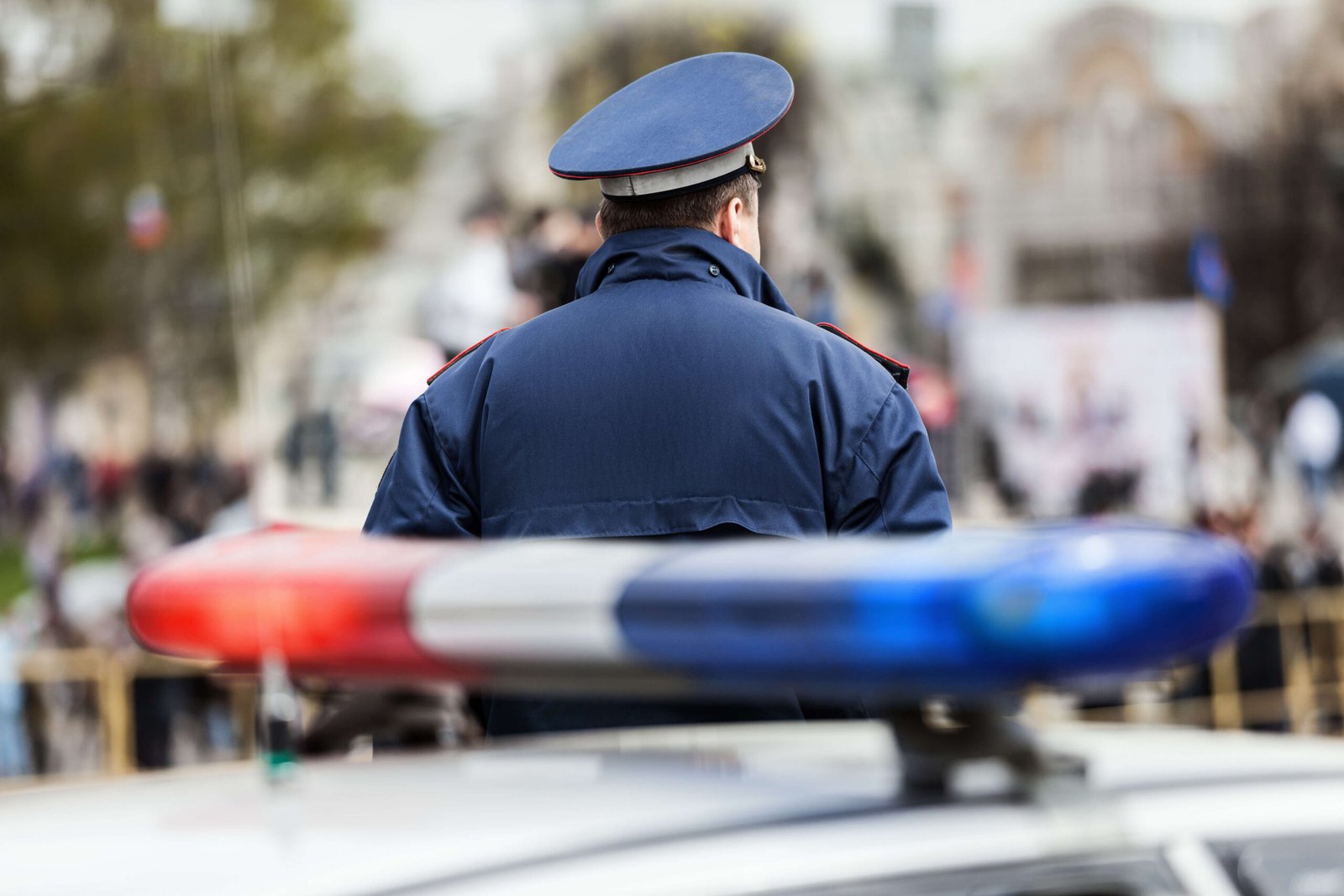
What is Police Brutality?
Police brutality refers to the use of excessive force by law enforcement officers in the performance of their duties. This issue encompasses a variety of harmful practices, including but not limited to physical violence, verbal abuse, racial profiling, and unlawful arrests. The manifestation of police brutality can take many forms, such as instances where officers physically assault individuals in custody, employ chokeholds or tasers disproportionately, or engage in unlawful detentions based on racial or ethnic profiling.
Research indicates that police brutality is a significant concern throughout the United States, including Miami. Studies have shown alarming trends, with reports indicating that a disproportionate number of victims are from marginalized communities, often correlating with systemic issues such as socioeconomic disparities. According to the Bureau of Justice Statistics, an estimated 28% of individuals who interacted with police reported experiencing use of force, highlighting the frequency of such incidents across the nation.
In Miami specifically, data collected from various agencies illustrates a troubling pattern regarding police conduct. Over recent years, several high-profile cases have brought attention to the inadequacies in certain police practices. This has fueled discussions about the need for reform and the requirement for accountability mechanisms among law enforcement. The implications of police brutality extend beyond individual incidents, as they can erode public trust in the police, provoking outrage and calls for justice among communities.
Understanding these dynamics is crucial for victims seeking assistance. Engaging a qualified Miami police brutality lawyer is essential for navigating the complex legal landscape surrounding these incidents, providing necessary support to secure justice for victims of excessive force and unlawful actions committed by law enforcement officials.
Signs You May Be a Victim of Police Brutality
The concept of police brutality encompasses a range of behaviors by law enforcement that violate individuals’ rights and can lead to severe physical and emotional harm. Understanding the signs of police brutality is crucial for anyone who might find themselves in such unfortunate circumstances. One of the most evident indicators of police brutality is physical injury resulting from encounters with the police. Such injuries can include bruises, cuts, broken bones, or even more severe conditions like concussions and internal injuries. If an individual sustains injuries that do not align with the circumstances of their arrest or interaction with police, this may suggest brutality.
Emotional distress is another significant sign. Many victims of police brutality experience long-lasting psychological effects such as anxiety, depression, and post-traumatic stress disorder (PTSD). Survivors may frequently relive their traumatic experiences through flashbacks or nightmares, find it challenging to engage in everyday activities, or develop a pervasive sense of mistrust toward law enforcement. These emotional repercussions are as damaging as physical wounds and require attention to ensure a victim’s overall well-being.
A critical element that denotes possible police misconduct is the violation of civil rights during an arrest. Instances where individuals are subjected to excessive force without justifiable cause or legally recognized procedures can be clear indicators of police brutality. Victims have reported being unlawfully detained, profiled based on race, or denied their rights while in custody. For residents of Miami, personal anecdotes of police encounters can serve as pertinent examples of these signs, emphasizing the need for a Miami police brutality lawyer to seek legal help for victims. By recognizing these indicators, victims can better navigate the situation and reassert their rights with professional legal assistance.
The Legal Rights of Victims
Individuals who believe they have experienced police brutality are entitled to specific legal rights designed to protect them under both federal and state laws. These rights encompass various protections, particularly pertaining to civil rights. The most pertinent federal statute is 42 U.S.C. § 1983, which provides a mechanism for victims to file lawsuits against state and local officials, including police officers, for violations of constitutional rights. To seek justice effectively, victims must understand their rights and the processes available to them.
Victims of police brutality maintain the right to file internal complaints directly with the police department involved. This process usually entails submitting a formal grievance, which the department is obligated to investigate. The findings from these internal investigations can significantly impact the accountability of the officers involved and may even lead to disciplinary actions. It is essential for victims to gather as much evidence as possible, such as photographs, medical records, and witness statements, to support their claims during this complaint process.
Additionally, victims should be aware of their rights under state laws, which may offer further protections and avenues for recourse. Many states have rules that govern conduct and procedures for police officers, including the necessity for them to de-escalate situations where possible. These regulations can serve as a foundation for legal claims against police misconduct.
Because navigating these legal processes can be complex and challenging, engaging a Miami police brutality lawyer is often a prudent step. An experienced legal professional can guide victims through filing complaints, help gather necessary evidence, and file civil rights lawsuits if warranted. This legal assistance is critical to ensuring that victims receive the justice and compensation they deserve due to police misconduct.
How a Miami Police Brutality Lawyer Can Help You
The role of a Miami police brutality lawyer is fundamental in the quest for justice for victims of excessive force or misconduct by law enforcement. These legal professionals are not only knowledgeable about the complexities of civil rights law but are also deeply committed to advocating for those whose rights have been violated. One of their primary responsibilities is to provide robust legal representation in cases of police brutality. This entails diligent preparation of legal documentation, thorough investigation of the incident, and effective courtroom advocacy.
Moreover, Miami police brutality lawyers offer invaluable guidance throughout the legal process, helping victims navigate the often confusing landscape of legal procedures. This includes advising clients on their rights, the potential outcomes of their cases, and the most effective legal strategies to pursue. With their expertise, these attorneys can ensure that victims are not overwhelmed by the intricacies of the judicial system, thereby fostering a more accessible pathway to justice.
In addition to representation and guidance, a Miami police brutality lawyer serves as an essential advocate for their clients’ claims against the police force. They work tirelessly to gather evidence, including eyewitness testimonies, video footage, and medical records, to substantiate claims of police misconduct or excessive use of force. By doing so, they enhance the overall credibility of their clients’ cases, often leading to favorable settlements or judgments.
Victims of police brutality can benefit significantly from the legal expertise of such professionals, as they ensure that their voices are heard and their rights protected. In a legal environment that can be both intimidating and complex, a Miami police brutality lawyer serves as a crucial ally for victims seeking redress for wrongs perpetrated against them.
Gathering Evidence for Your Case
When you are considering a police brutality lawsuit, gathering sufficient evidence to support your case is crucial. Evidence forms the foundation of your claim and can significantly influence the outcome. A Miami police brutality lawyer can guide you in collecting the necessary documentation, which may include various types of evidence such as video recordings, witness statements, medical reports, and police records.
Video footage can be one of the most compelling pieces of evidence. It provides a direct account of the incident, capturing the behavior of officers and the actions taken. Surveillance cameras from nearby locations or mobile phone recordings from witnesses can serve as vital components in proving your case. Be sure to collect this evidence promptly, as surveillance footage can be overwritten or deleted.
Witness statements are another key aspect to consider. Eyewitness accounts can lend credibility to your claims. Obtain the names and contact information of individuals who witnessed the incident, and if possible, ask them to provide written statements detailing what they observed. This can significantly enhance your case when presented alongside the expert testimony of a Miami police brutality lawyer.
Medical reports documenting any injuries sustained during the encounter are also essential. Seek medical attention immediately after the incident, as this can provide dated and thorough documentation of your physical state, further establishing the extent of the brutality faced. Ensure these records are comprehensive, including diagnoses, treatment plans, and photographs of any injuries.
Lastly, police records, including incident reports, can offer important insights and details about the officers involved and the nature of the events. Obtaining these records may take time and often requires the assistance of a legal professional who understands the process of retrieving this vital documentation.
The Legal Process for Pursuing a Police Brutality Claim
Pursuing a police brutality claim requires a clear understanding of the legal process involved. The first step is to file a formal complaint with the law enforcement agency involved. This usually involves detailing the incident, the actions of the officers, and the impact on the victim. It is advisable to document every interaction and maintain a detailed record of any medical treatment or psychological impacts experienced as a result of the incident. Seeking the counsel of a qualified miami police brutality lawyer at this stage can aid in articulating your grievances effectively.
After filing a complaint, the law enforcement agency will typically conduct an internal investigation. It is important for victims to remain patient during this process, as investigations can take time. If the outcome of this internal review is unsatisfactory, the next phase might involve negotiation or mediation. Here, a miami police brutality lawyer can represent the victim’s interests and engage with the agency or its legal representatives to reach a favorable resolution without resorting to litigation.
If negotiations fail, the victim may choose to file a civil lawsuit. This process involves drafting and submitting a formal complaint to the appropriate court. The allegations must clearly show that the police officers acted unlawfully or outside the scope of their authority. During litigation, both sides will gather evidence, including witness testimonies and expert opinions to support their claims. It is crucial to have legal representation throughout this stage to navigate complex legal standards and ensure that all claims are substantiated.
Finally, many cases of police brutality are resolved through settlement agreements, which are negotiated prior to trial. A skilled miami police brutality lawyer: legal help for victims can facilitate these discussions, aiming for compensation that reflects the severity of the violations faced by the victim.
The Importance of Legal Representation
In any situation where police brutality occurs, the need for experienced legal representation becomes paramount. Victims often find themselves facing a dedicated and formidable opposition in law enforcement, which can complicate their ability to seek justice. A Miami police brutality lawyer is essential in helping victims navigate the complex legal landscape following an incident of excessive force or misconduct. A qualified attorney specializes in understanding the intricacies of both federal and state laws regarding police conduct, providing invaluable expertise to the case.
Victims of police brutality typically encounter several challenges when attempting to pursue a claim on their own. These challenges include gathering substantial evidence, understanding legal terminology, and meeting strict deadlines set forth by various legal proceedings. Without an attorney’s guidance, victims can miss critical steps that may jeopardize their cases. Furthermore, the emotional and psychological effects of police violence can impede their ability to effectively advocate for themselves. Therefore, the role of a Miami police brutality lawyer is to alleviate this burden by leading victims through the complicated legal process.
Moreover, having legal representation can significantly enhance the likelihood of a favorable outcome in a police brutality case. An attorney can conduct thorough investigations, obtain necessary documentation, and interview witnesses to build a compelling case. Additionally, they are skilled negotiators who can engage with the opposing parties to settle disputes effectively and strive for fair compensation for the victim’s suffering. With a dedicated lawyer on their side, victims can focus on healing and reclaiming their lives, knowing they have the necessary legal help to support them throughout this challenging journey.
Case Studies: Successful Outcomes for Victims
In the realm of police brutality, individuals often find themselves at the mercy of the legal system, especially in complex and distressing cases. Successful outcomes for victims in Miami demonstrate the critical role a Miami police brutality lawyer plays. These legal professionals are equipped with the expertise required to navigate the system, advocate effectively, and ensure justice is served.
One notable case involved a victim who suffered severe physical injuries due to excessive force employed by law enforcement during an arrest. The victim, with the help of a competent Miami police brutality lawyer, successfully demonstrated that the force was unwarranted and disproportionate to the situation at hand. The case showcased the importance of gathering substantial evidence, including video footage and eyewitness testimonies, which were pivotal in securing a favorable settlement for the victim.
Another significant instance involved a wrongful arrest where the individual, falsely accused of a crime, endured harassment and mistreatment by officers. With solid representation from a specialized attorney, the victim leveraged legal arguments demonstrating a clear violation of civil rights. The Miami police brutality lawyer’s ability to effectively argue for the victim’s rights led to a successful outcome, resulting in a substantial financial settlement and public acknowledgment of the wrongful actions of the police.
These examples highlight that while police brutality is a critical issue in society, it is possible for victims to achieve justice through effective legal representation. A skilled Miami police brutality lawyer not only helps victims navigate the complexities of legal procedures but also works tirelessly to help them reclaim their rights and seek restitution for their suffering.
In conclusion, the challenging landscape surrounding police brutality calls for knowledgeable advocates who can make a difference. Victims can find hope in the successes of others, knowing that with the right legal guidance, justice is attainable.
Resources and Support for Victims of Police Brutality
Victims of police brutality in Miami often face not only physical and psychological hardship but also barriers to justice and recovery. Recognizing these challenges, various organizations and support groups have emerged to assist victims throughout their journey. Accessing adequate resources is crucial in advocating for rights and seeking remedial action.
One prominent organization is the Miami chapter of the NAACP, which provides legal guidance on civil rights violations, including police misconduct. Victims can obtain information about their rights and support through this long-standing civil rights organization.
Additionally, the ACLU of Florida offers assistance and resources regarding police accountability. The organization engages in advocacy to reduce instances of police brutality and promotes legal reform, ensuring that victims have a voice in legislative processes that affect their rights.
Hotlines are also a critical resource for immediate support. The National Police Accountability Project operates a helpline that connects victims with legal advocates and resources specific to their circumstances. This helps ensure that victims of police brutality can quickly access necessary assistance and guidance.
Support groups such as Survivors of Police Violence provide a community for individuals affected by police brutality. Sharing experiences in a supportive environment can aid mental and emotional recovery, fostering resilience and a sense of solidarity among victims.
Moreover, seeking legal assistance is vital. A qualified Miami police brutality lawyer can provide invaluable support in navigating the complexities of legal recourse. Understanding the intricacies of federal and state laws concerning police misconduct is crucial, and a specialized attorney can significantly bolster a victim’s case for justice.
In summary, various resources, including legal support, advocacy organizations, and community groups, are available to assist victims of police brutality in Miami. Engaging with these resources can empower individuals to reclaim their rights and seek justice effectively.
Frequently Asked Questions (FAQs)
1. What is considered police brutality in Miami?
Police brutality refers to the use of excessive force or misconduct by law enforcement officers. This can include physical violence, unlawful arrests, racial profiling, or abuse of power that violates your constitutional rights.
2. Can I sue the police for brutality in Miami, Florida?
Yes, victims can file a civil lawsuit against police officers or departments for violating their rights. These cases are often filed under federal civil rights laws, allowing you to seek compensation for damages.
3. What should I do after experiencing police brutality?
If you’ve been a victim:
- Seek medical attention immediately
- Document injuries with photos and records
- Get contact information of witnesses
- Avoid discussing the incident publicly
- Contact a police brutality lawyer as soon as possible
4. How can a Miami police brutality lawyer help me?
An experienced lawyer can:
- Evaluate your case
- Gather evidence and witness statements
- File legal claims on your behalf
- Negotiate settlements or represent you in court
5. What compensation can I receive in a police brutality case?
You may be entitled to compensation for:
- Medical expenses
- Lost wages
- Pain and suffering
- Emotional distress
- Punitive damages (in certain cases)
6. Is there a time limit to file a police brutality claim in Florida?
Yes, there is a statute of limitations. In Florida, civil rights claims typically must be filed within a limited time (often around 4 years), but it’s best to consult a lawyer quickly to avoid missing deadlines.
7. Do I need evidence to prove police misconduct?
Yes, strong evidence is crucial. This may include:
- Bodycam or surveillance footage
- Medical reports
- Eyewitness testimony
- Police reports
8. Can I file a complaint without suing?
Yes, you can file a formal complaint with the police department’s internal affairs division. However, this does not provide financial compensation like a lawsuit would.
9. How much does it cost to hire a police brutality lawyer in Miami?
Most police brutality lawyers work on a contingency fee basis, meaning you pay nothing upfront and only pay if you win your case.
10. How long does a police brutality case take?
The timeline varies depending on the complexity of the case. Some cases settle in months, while others may take years if they go to trial.
Read More:
- Switching Birth Injury Lawyers During Your Case in New York: What You Need to Know
- Choosing the Top Auto Accident Attorney in Miami, Florida
- Top Divorce Lawyers Near Me Offering Free Consultations – Get the Legal Advice You Deserve
- Top rated drunk driving accident lawyers Bakersfield
- How to Find Reputable Phoenix Divorce Lawyers for Under $200/Hour