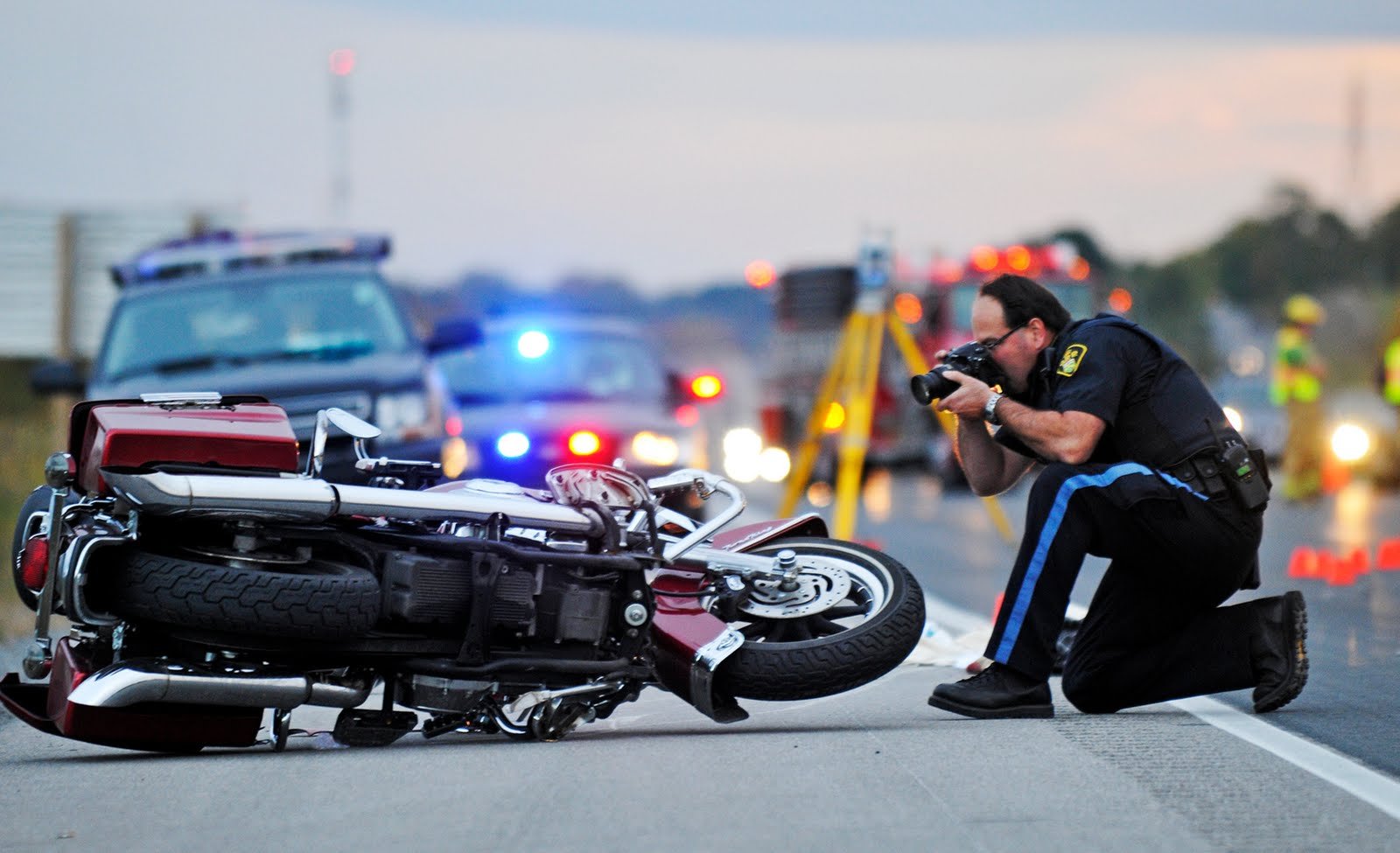
If you’ve been involved in a motorcycle accident in Louisiana, finding the right lawyer to represent you is crucial for securing fair compensation and ensuring your legal rights are protected. Motorcycle accident cases are often more complex than typical car accidents, involving unique challenges such as severe injuries, comparative fault laws, and biases against motorcyclists. A skilled motorcycle accident lawyer who specializes in these types of cases can help navigate these complexities, providing expert guidance and fighting for the best possible outcome. Here’s a step-by-step guide on how to find a qualified motorcycle accident lawyer in Louisiana who can help you through this difficult time.
1. Why you need a specialized motorcycle accident lawyer
Motorcycle accident claims are not just “auto‑accident claims on bikes.” There are unique challenges:
- Riders often suffer serious injuries (brain, spine, multiple fractures) which means greater damages and more complex medical evidence.
- Insurance companies and even juries sometimes have biases against motorcyclists (for example, the misconception that the rider was reckless simply because they were on a bike rather than a car).
- The laws and evidence in motorcycle cases can differ: e.g., helmet laws, eye protection laws, issues of visibility, lane‑splitting (which might be prohibited) or road conditions that affect motorcycles differently.
- You’ll likely be dealing with a lot of expenses (medical, rehab, lost wages, pain and suffering) and you’ll need a lawyer who can evaluate future losses and negotiate accordingly.
Given these factors, hiring a lawyer who specializes or at least has substantial experience with motorcycle accident cases in Louisiana is strongly advisable. For example, one Louisiana lawyer notes that “just because someone graduated from law school doesn’t make them qualified to represent you if you were in a bike wreck.”
2. Begin your search: where and how to look
• Ask for referrals
Talk to friends, family, or fellow riders who’ve been in accidents (if comfortable). They can tell you their experience, which is invaluable.
• Use online tools
Search for “motorcycle accident lawyer Louisiana” + your city or parish (e.g., New Orleans, Baton Rouge, Shreveport) to find attorneys focusing on this area.
• Check lawyer directories and ratings
Look at sites that rate attorneys and list specialties (for instance, one directory for Lake Charles says: “Step 1: Prioritize attorneys with motorcycle accident experience.”)
3. What key criteria to evaluate
When narrowing down your options, consider the following:
a) Experience in motorcycle accident cases
- Ask: “How many motorcycle accident cases have you handled in Louisiana?”
- Ask: “How many of those have gone to trial or resulted in a favorable settlement?”
- A lawyer who has handled many motorcycle cases will understand the common pitfalls and how to handle insurance adjusters, fact witnesses, expert witness involvement etc.
b) Knowledge of Louisiana law & local courts
- Do they know Louisiana‑specific statutes (e.g., comparative fault, helmet law, eye protection law, statute of limitations)?
- Are they familiar with the local judges, venues, and insurance companies in your area?
- Do they have experience in your parish / region?
c) Case results and testimonials
- Look for published case results. What kinds of injuries were involved? What was the outcome? This gives you a sense of how skillful they are.
- Read client reviews: Did clients feel listened to? Did the lawyer stay in communication? Was the settlement fair?
d) Strategy and resources
- Ask: “If my case requires expert witness testimony (accident reconstruction, biomechanics, medical specialists), do you have those resources?”
- Ask about their plan: “What will you do first? How will you preserve evidence? How will you deal with insurance adjusters?”
- A good lawyer will explain the process clearly and set expectations.
e) Fee structure
- Most personal injury / motorcycle accident lawyers operate on a contingency fee basis: you pay legal fees only if they win your case (they take a percentage of the settlement or verdict).
- Clear agreement: Ask what percentage you will owe, what costs are advanced (e.g., expert fees, court costs), and whether you’ll owe anything if you lose.
f) Communication & personal comfort
Trust your gut: If someone seems dismissive, unresponsive, or unclear in the initial consultation, move on.
You will be working with this lawyer through a stressful period. Choose someone you feel comfortable with and who communicates in a way you understand.
Ask: “Who will handle my case day‑to‑day? Will it be you or an associate?” “How often will I hear from you? How will you update me?”
4. Questions to ask in your consultation
Here is a list of good questions to ask when you meet (many consultations are free). Write them down beforehand so you don’t forget:
- How many motorcycle accident cases have you handled in Louisiana? (and in my region)
- How many of those cases went to trial, and how many were settled?
- What is your success rate with motorcycle accident cases?
- Can you provide examples of past results (without violating confidentiality, but enough to get an idea)?
- Do you handle motorcycle accidents exclusively, or is it part of a broader personal‑injury practice?
- What is your approach in dealing with insurance companies in motorcycle cases?
- What resources do you have (investigators, expert witnesses, medical consultants, accident reconstruction)?
- What is the fee structure? What percentage do you take, and who pays costs upfront?
- Who in your office will handle my case? Who is my point of contact?
- How will you communicate with me? How often? Will I get a written case‑plan or timeline?
- What, in your view, are the strengths and weaknesses of my case?
- What should I do or avoid doing right now to protect my claim (e.g., talking to insurance adjusters, posting on social media, disposing of evidence)?
- What is the likely timeline for my case, from now until resolution?
- What happens if we can’t settle and need to go to trial?
- Is there anything about my situation (e.g., helmet use, prior injuries, shared fault) that could reduce my compensation?
5. What you should do (and avoid) after your accident
While you’re looking for a lawyer, or after you’ve engaged one, here are steps to protect your case:
✅ Do this
- Seek prompt medical attention, even if you feel okay — some injuries show up later.
- Document everything: photos of the accident scene, your motorcycle, skid marks, other vehicles, weather/road conditions, witness names & contact info.
- Keep good records of your medical treatments, lost time at work, therapy, medication, other related costs.
- Preserve your gear and motorcycle if possible — don’t rush to repair or dispose of it until your lawyer advises.
- Write down your own recollection of what happened, as soon as possible while memories are fresh (time, location, how the crash occurred, what the other driver said).
- Stay off social media or at least avoid posting details about your accident or injuries — insurance companies sometimes monitor social media for statements that could be harmful to your case.
❌ Avoid this
- Don’t accept a quick settlement from an insurance adjuster without discussing it with your lawyer. Often initial offers are low. Dudley DeBosier Injury Lawyers
- Don’t give recorded statements to insurance companies without legal advice.
- Don’t move or dispose of evidence (bike, gear, damaged parts) before your lawyer has evaluated it.
- Don’t assume the other driver will pay for everything — Louisiana law of comparative fault may apply. For example, if you are partly responsible, your compensation could be reduced.
6. Understanding Louisiana‑specific legal issues
Because you are in Louisiana, there are some specific legal matters to keep in mind:
• Fault and comparative fault
Louisiana is a pure comparative fault state, meaning even if you were partly to blame, you may still recover damages (but reduced by your percentage of fault).
• Statute of limitations
There is a deadline for filing personal injury claims. In Louisiana, you generally have one year from the date of the accident to file your claim.
• Helmet & eye protection laws
For motorcycle riders, certain safety gear laws apply in Louisiana (e.g., headgear and eye protection if the windshield is insufficient). If you weren’t wearing required gear, this may affect your case (or raise argument by the defense).
• Roadway and vehicle conditions
In many motorcycle crashes, factors like poor road maintenance, defects in the bike, or visibility issues play a major role. Your lawyer should evaluate whether third parties (road authority, vehicle manufacturer) may be liable, not just the other driver.
7. How to evaluate the lawyer after starting work
Once you choose a lawyer, you’ll want to ensure that they are actively representing you well. Here are signs of a good lawyer‑client relationship:
- They respond promptly to your calls or emails and keep you informed.
- You receive updates about your case’s progress, and they explain what’s happening in plain language.
- They involve you in major decisions (settlement offers, going to court, hiring experts).
- They show dedication to your case — not just trying to wrap it up quickly, but securing fair compensation.
- They are transparent about costs, fees, and time‑frame.
- They respect your needs and concerns (not just treat you like another file).
- They don’t pressure you into accepting a settlement you don’t feel comfortable with.
If you sense the lawyer is unresponsive, fails to explain things, or seems primarily interested in a quick settlement, you may want to consider whether you chose the right person.
8. What a case might look like (typical steps)
Here’s a simplified timeline of what you might expect when you work with a qualified motorcycle accident lawyer in Louisiana:
- Initial consultation – You meet the lawyer, share what happened, show documentation, and they evaluate your case.
- Engagement – You sign an agreement outlining fees, and the lawyer begins formal work.
- Investigation & evidence gathering – Lawyer or team gathers police report, medical records, witness statements, photos, depreciation of bike, expert analysis, etc.
- Demand/negotiation – Your lawyer sends a demand to the insurance company (or companies) representing the at‑fault driver(s). Settlement negotiations begin.
- Settlement or suit filed – If negotiation yields a fair settlement, you accept. If not, your lawyer may file a lawsuit.
- Discovery & preparation for trial – If suit is filed, the process includes depositions, document exchange, expert witness preparation, etc.
- Trial or resolution – Either the case settles during litigation or goes to trial. The lawyer presents your case, and you receive a verdict (or further negotiation).
- Recovery & payout – If successful, you receive compensation, lawyer fees and costs are deducted, and you get your portion.
- Post‑case – Some claims, especially catastrophic injuries, may require long‑term monitoring for future medical needs; lawyer may still help.
Throughout, you should coordinate with your lawyer and communicate clearly.
9. Red flags to watch out for
While looking or during case handling, keep in mind some warning signs:
- The lawyer has no motorcycle accident cases in their published results or does not specifically handle them.
- The lawyer does not ask about motorcycle‑specific issues (helmet use, lane splitting, visibility, maintenance of bike).
- The fee agreement is vague or unclear, or they ask for large upfront fees (instead of contingency).
- The lawyer is hard to contact, delays responses, or you don’t feel you understand their updates.
- The lawyer pushes you to settle quickly without reviewing full future damages or medical prognosis.
- They lack trial readiness: if they say “we never go to trial,” that might be a concern if your case requires one.
- They don’t discuss the weaknesses of your case honestly (every case has pros & cons).
If any of these signs appear, you may want to meet other attorneys before committing.
10. Final take‑aways
- A motorcycle accident lawyer in Louisiana should be experienced, committed, and knowledgeable about motorcycle issues and Louisiana law.
- Do your homework: check credentials, ask questions, review case results, and get comfortable with your lawyer’s communication style.
- Protect your claim by acting quickly: get medical care, gather evidence, avoid harmful actions, preserve your bike and gear.
- Understand the legal framework (fault, statute of limitations, gear laws) so you’re aware of how your case will be evaluated.
- Trust your instincts: you want to feel you and your lawyer are a team working toward your recovery and compensation — not just a file number.
Frequently Asked Questions (FAQ) About Finding a Motorcycle Accident Lawyer in Louisiana
1. How do I know if I need a lawyer after a motorcycle accident?
If you’ve been in a motorcycle accident, it’s always a good idea to consult with a lawyer, especially if you’ve suffered injuries or the accident involves complicated factors like insurance disputes, liability issues, or the involvement of multiple parties. A lawyer can help you navigate legal complexities and ensure you receive fair compensation for your medical bills, lost wages, and pain and suffering.
2. What should I look for when hiring a motorcycle accident lawyer in Louisiana?
When searching for a lawyer, prioritize experience in handling motorcycle accident cases specifically. Look for a lawyer who has a deep understanding of Louisiana’s traffic laws, insurance regulations, and local court systems. It’s also important to choose someone who offers clear communication, has a track record of successful case outcomes, and works on a contingency fee basis (meaning they only get paid if you win your case).
3. How much will it cost to hire a motorcycle accident lawyer?
Most motorcycle accident lawyers in Louisiana work on a contingency fee basis, meaning they take a percentage of the settlement or judgment if you win the case. This allows you to pursue legal action without worrying about upfront fees. Typically, the lawyer’s fee ranges from 25% to 40% of the compensation awarded. Be sure to clarify the percentage and any other potential costs during your initial consultation.
4. What is the statute of limitations for filing a motorcycle accident claim in Louisiana?
In Louisiana, you generally have one year from the date of the accident to file a personal injury claim. It’s essential to act quickly, as failing to file within the statute of limitations can bar you from seeking compensation. Consulting with a lawyer as soon as possible can help ensure your case is filed on time.
5. What should I do immediately after a motorcycle accident?
After a motorcycle accident, your first priority should be seeking medical attention, even if you don’t feel seriously injured. Then, document the scene of the accident, take photos of your injuries and damages, and get contact information from any witnesses. Avoid discussing fault with anyone, especially the other party involved, and refrain from posting about the incident on social media. Finally, consult with an experienced motorcycle accident lawyer to protect your rights and start building your case.
6. What are some common mistakes to avoid when dealing with a motorcycle accident claim?
Some common mistakes to avoid include:
- Accepting a quick settlement offer from the insurance company before consulting with a lawyer.
- Failing to gather important evidence such as photos, witness statements, and accident reports.
- Posting about the accident on social media, which can be used against you in court.
- Not following medical treatment plans or skipping doctor appointments, as this can negatively impact your claim.
7. How long does a motorcycle accident case take to resolve?
The timeline for resolving a motorcycle accident case can vary depending on the complexity of the case, the severity of your injuries, and whether the case is settled or goes to trial. On average, cases can take anywhere from several months to a few years. A lawyer will be able to give you a more specific timeline based on the details of your case.
8. Can a lawyer help if the accident was partly my fault?
Yes, Louisiana follows a comparative fault system, which means you can still recover compensation if you were partially at fault for the accident. However, your compensation will be reduced by your percentage of fault. A skilled lawyer can help demonstrate that the other party was more at fault, or mitigate your own level of fault to maximize your compensation.
9. What types of damages can I claim after a motorcycle accident in Louisiana?
You can claim a variety of damages, including:
- Medical expenses (past and future)
- Lost wages (for time missed from work)
- Pain and suffering (physical and emotional distress)
- Property damage (motorcycle repairs or replacement)
- Permanent disability or disfigurement A lawyer can help assess the full range of damages you’re entitled to claim based on your injuries and losses.
10. How do I choose between multiple lawyers?
When evaluating lawyers, consider factors such as their experience in motorcycle accident cases, reputation in the legal community, client reviews, communication style, and whether they offer a free consultation. It’s also important to feel comfortable and confident in their ability to handle your case. Trust your instincts and choose a lawyer who makes you feel heard and supported throughout the process.
Read More:
- Can you write off lawyer fees on your taxes in Pennsylvania?
- How to hire a workplace sexual harassment lawyer in new mexico?
- What Kind of Cases Do Personal Injury Lawyers Handle in Massachusetts?
- Should I Get an Attorney After a Car Accident in Texas? 2025
- Understanding Durable Power of Attorney in the United States