While reports of U.S. employers scaling back their committment to diversity, equity and inclusion have been all over the news, a much smaller group of businesses has decided to stay the course.
But that group should be prepared to defend itself in court as the administration of President Donald Trump seeks to eradicate DEI activities it deems illegal.
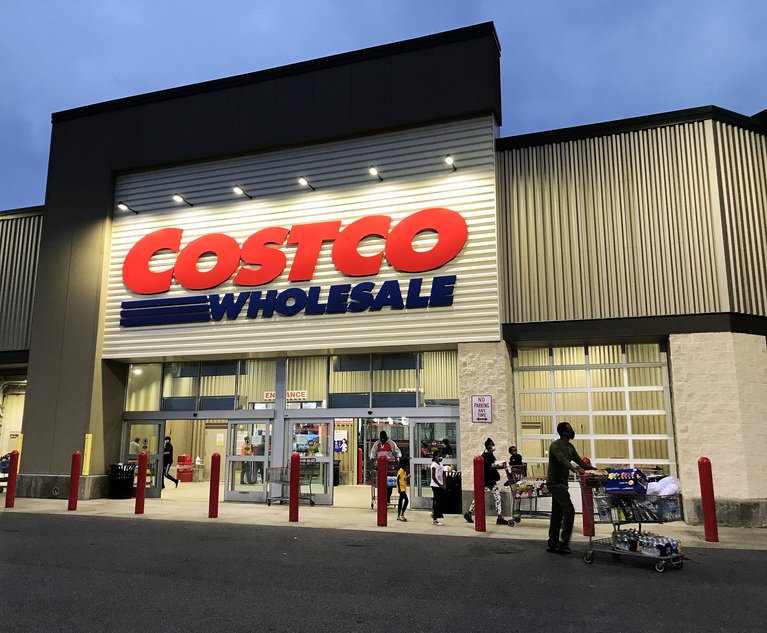
Prominent among this latter group is Costco, the operator of warehouse stores, whose shareholders in January voted down a proposal to study risks of maintaining DEI efforts. The vote came after Costco’s board opposed the proposal, stating that it “believes that our commitment to an enterprise rooted in respect and inclusion is appropriate and necessary.”
Costco hasn’t said much about the subject, and it did not respond to a request for comment for this article.
But the company is likely to face federal investigations and litigation, said some DEI experts.
On Jan. 28, a group of 19 state attorneys general sent Costco a letter accusing it of “clinging to DEI policies that courts and businesses have rejected as illegal.” That group claimed Costco should “do the right thing” within 30 days by repealing its DEI policies or explaining why it failed to do so.
The attorneys general’s letter cited Trump’s Jan. 21 Executive Order, titled “Ending Illegal Discrimination and Restoring Merit-Based Opportunity.”
That order alleged, “Illegal DEI and DEIA policies not only violate the text and spirit of our longstanding federal civil-rights laws, they also undermine our national unity, as they deny, discredit, and undermine the traditional American values of hard work, excellence, and individual achievement in favor of an unlawful, corrosive, and pernicious identity-based spoils system.”
And a further indication of the Trump White House’s direction came in a Feb. 5 memo from Attorney General Pam Bondi to employees of the Department of Justice. The memo said her agency’s Civil Rights Division will “investigate, eliminate, and penalize illegal DEI and DEIA preferences, mandates, policies, programs, and activities in the private sector and in educational institutions that receive federal funds.”
There’s no reason to think that Costco or similarly situated companies have done anything illegal in their DEI programs, but that doesn’t mean they won’t face costly investigations of their activities, said Ann M. Lipton, associate dean for faculty research at Tulane Law School.
“It’s fairly clear that there’s sort of a general Republican political project to stamp out any official corporate recognition of the need to reach out to under represented groups and the official corporate recognition of the value of that what those groups might be able to bring to a company,” said Lipton, who studies the role of corporations in society.

Pressure from the federal government could make companies abandon their DEI policies because of the cost of responding to investigations, or even worse, feeling that they can’t hire women or people of color, Lipton said. Even if Costco didn’t violate the law, responding to government investigations of its DEI practices will be costly and burdensome, Lipton said.
“The question is whether Costco believes that despite those burdens and despite the expense, its policies are worth it, or whether it believes that whatever value completely legal policies are to expanding outreach to underrepresented communities, to find the best talent, and so forth, it may feel that ultimately, even if those are valuable for the company, they’re still not so valuable that they’re worth whatever the expenses are associated with investigations. But that’s a business judgment that Costco would have to make,” Lipton said.
Indications that the government is keeping a list of corporations that it considers to be engaging in so-called illegal DEI was material in convincing many large corporations to curtail their DEI activities, said Aaron Goldstein, of Dorsey & Whitney in Seattle. But it’s unclear just what legal standard corporations have to meet when it comes to DEI, said Goldstein, who practices labor and employment law.
Goldstein said government contractors are especially concerned about an aspect of the executive order that says compliance with all federal anti discrimination laws is a material term of payment. That invites litigation under the False Claims Act against any employer suspected of having non-conforming DEI programs, Goldstein said.
“I fully expect to see those types of lawsuits, and I expect to see a lot of lawsuits by, essentially, white men suing for some form of reverse discrimination or hostile work environment claim,” Goldstein said.

With Trump’s decision to fire two Democratic members of the Equal Employment Opportunity Commission board before their terms expired, his administration could bring complaints against employers accused of favoring minorities, just as previous administrations have brought cases against employers alleged to have favored white employees, Goldstein said. And Costco and many other employers could be vulnerable in such actions because their internal emails from three or four years ago might include pro-DEI statements and sentiments, Goldstein said.
“I think you’re going to see investigations leading to litigation like that. And the question is going to be, is the Trump administration going to look for primarily the mea culpa and the public win, or are they really going to go for the throat on damages for companies that put a thumb on the scale for hiring or promoting minority candidates?” Goldstein said.
The memo from Bondi directs Department of Justice employees to bring criminal investigations against companies over their DEI policies. But Bondi orders agents to be on the lookout for “divisive” employment practices, rather than those that discriminate, Goldstein said.
“I think that’s an important word that’s been a little bit overlooked in the analysis over Trump’s executive order and this memo that followed on its heels. I think what she means by divisive is some form of hostile work environment claim on behalf of Caucasian male employees. If you look at President Trump’s executive order, he specifically calls out concepts like white privilege and unconscious bias. And what I think Pam Bondi is setting up is investigations where they might actually bring claims on behalf of Caucasian employees who quit because they didn’t want to attend mandatory DEI. And I think they’re going to make the argument that mandatory DEI constituted or created a hostile work environment,” Goldstein said.
Goldstein cautions that there’s plenty that’s unknown about Costco’s approach to DEI but he sees merit in their position.
“They’re picking a lane. They’re not waffling,” he said. “They’re saying we’re committed to the same principles we’ve been committed to for the last four years, and we’re sticking with that. And I think there’s a benefit to taking a very clear stance on what you are and are not doing.”