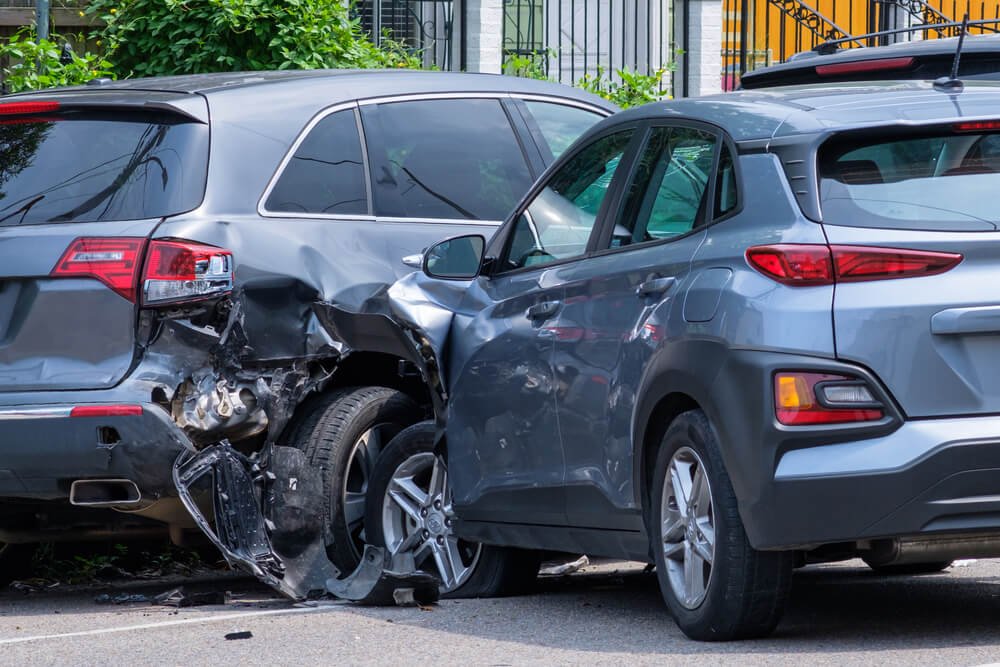
When discussing traffic incidents, the terms “accident” and “collision” are often used interchangeably, but they actually have distinct meanings. Understanding the difference between accident vs. collision is crucial, especially in legal, insurance, and safety contexts. While both terms refer to events that result in damage or injury, a collision specifically involves direct physical contact between two or more objects, such as vehicles. On the other hand, an accident can refer to any unforeseen event, which may or may not involve a collision. In this article, we’ll explore the key differences between these two terms and why it’s important to know when to use each.
In our daily lives, we frequently hear the terms “accident” and “collision,” especially in the context of traffic and road safety. While they are often used interchangeably, it’s essential to understand that they are not synonymous. There are significant differences between an accident and a collision that can have legal, financial, and safety implications. In this blog, we will explore the key differences between accidents and collisions, provide detailed examples, and discuss why understanding these terms is crucial for drivers, insurers, and lawmakers.
What is an Accident?
An accident is generally defined as an unplanned, unexpected, or unintended event that results in damage, injury, or harm. In the context of traffic, a road accident can involve various incidents that lead to harm, damage, or loss of life. The primary factor that makes an accident distinct from other events is that it happens without prior intent. While accidents are often associated with car crashes, they can also involve other scenarios, such as slips, falls, and incidents caused by weather conditions.
Accidents in traffic can include a wide range of events, including:
- Single-vehicle accidents: These occur when only one vehicle is involved in the incident. For example, a car might slide off the road due to wet conditions or hit a tree while trying to avoid an obstacle.
- Accidents caused by external factors: Weather-related accidents are common, especially during snow, fog, or rain, where drivers may lose control of their vehicles. Mechanical failure in vehicles, such as brakes malfunctioning, can also result in accidents.
- Driver error: Accidents often happen due to human mistakes, such as distracted driving, impaired driving, speeding, or failing to obey traffic signals.
In each of these situations, the common denominator is that the incident is unexpected, and the harm caused is not the result of deliberate actions. Thus, an accident can refer to an event where there may or may not be a collision, depending on the situation. For instance, a vehicle that skids off the road due to slippery conditions but does not hit anything is still considered an accident.
Types of Accidents
- Car Accidents: These are the most common type of accident, where vehicles are involved. Car accidents can include everything from minor fender-benders to severe crashes.
- Slip and Fall Accidents: These can occur on wet floors, icy sidewalks, or uneven surfaces, often resulting in injury.
- Workplace Accidents: Employees may experience accidents in a workplace setting, including machinery malfunctions, falls from heights, or exposure to hazardous materials.
- Accidents in Public Places: Accidents can happen in public areas like stores, restaurants, or parks, where hazards such as spills, obstructions, or poorly maintained areas create dangerous conditions.
What is a Collision?
A collision, on the other hand, is a more specific term. It refers to the physical contact or impact between two or more objects, particularly in the context of vehicles. A collision is a type of accident, but not all accidents are collisions. A collision usually involves vehicles, pedestrians, or other physical objects coming together with force, leading to damage, injury, or death.
In terms of traffic incidents, a collision specifically involves the act of one vehicle or object striking another. The impact can be the result of various factors, such as speeding, impaired driving, distracted driving, or failure to obey traffic laws. The severity of a collision can vary widely, from a minor fender-bender to a catastrophic crash that causes fatalities.
Types of Collisions
- Rear-End Collisions: These occur when one vehicle crashes into the back of another. They are often caused by tailgating, sudden stops, or distracted driving.
- Head-On Collisions: These are some of the most dangerous types of collisions, where two vehicles collide directly at the front. Head-on collisions are more likely to cause serious injury or death due to the speed and force involved.
- Side-Impact Collisions (T-Bone): These occur when the side of one vehicle is struck by another vehicle, usually at a right angle. T-bone collisions often happen at intersections when a driver fails to yield the right of way.
- Single-Vehicle Collisions: These are collisions where only one vehicle is involved, such as when a car crashes into a tree, utility pole, or guardrail.
- Pedestrian Collisions: This occurs when a vehicle strikes a pedestrian. These incidents can range from minor injuries to fatal accidents.
In each of these examples, a collision involves the actual physical contact between two or more entities. The term “collision” is not used to describe incidents that do not involve such a direct impact.
Key Differences Between Accident and Collision
While both accidents and collisions can cause damage, injury, or harm, they are different in several key aspects. Let’s break down the most important differences between these terms:
1. Scope of Meaning
- Accident: The term accident is broad and refers to any unplanned event that results in harm, damage, or injury. It can be a traffic crash, but it can also include incidents that do not involve direct contact, such as a car losing control due to slippery roads or a mechanical failure.
- Collision: A collision is much more specific. It refers to the physical contact between two or more objects. In traffic terms, this could mean the impact between vehicles or between a vehicle and a pedestrian. All collisions are accidents, but not all accidents are collisions.
2. Involvement of Impact
- Accident: An accident may or may not involve a direct impact. For example, if a car swerves to avoid an animal and crashes into a tree, it’s an accident, but the incident might not involve a collision if the vehicle only crashes into a stationary object.
- Collision: A collision always involves some form of physical impact or contact. It’s the action of two or more objects striking each other with force, leading to damage or injury.
3. Legal and Insurance Terminology
- Accident: In legal and insurance contexts, an accident can cover a wide range of incidents, including those that do not involve a collision. For example, in insurance claims, accidents can refer to incidents where no collision occurred, like a vehicle losing control and crashing due to weather conditions or mechanical failure.
- Collision: In insurance terms, a collision usually refers to a specific type of damage where there is physical contact between a vehicle and another object, whether that’s another vehicle, a pedestrian, or a stationary object. Most auto insurance policies distinguish between collision coverage (which covers damages resulting from crashes) and comprehensive coverage (which covers non-collision-related incidents).
4. Types of Risks Involved
- Accident: An accident can occur due to various factors, including mechanical failure, bad weather, distracted driving, or even unsafe conditions on the road. Accidents can happen without any physical impact, such as when a car skids on ice and runs off the road without colliding with anything.
- Collision: Collisions typically happen as a result of human error, such as distracted driving, speeding, or failing to yield. They can also be caused by external factors such as road conditions, though the primary characteristic of a collision is the direct impact between objects.
5. Emotional and Psychological Impact
- Accident: The psychological impact of an accident can be varied, especially if the event didn’t involve a collision but still caused harm, such as a car losing control due to slippery roads or a medical emergency while driving.
- Collision: Collisions tend to have a more direct and immediate emotional impact on the people involved, especially if they result in severe injuries or fatalities. The force of impact in a collision can lead to long-term physical and emotional trauma.
Why the Distinction Matters
Understanding the difference between accidents and collisions is more than just a matter of semantics. This distinction has several practical implications, especially in the realms of law, insurance, and safety.
1. Insurance Implications
Insurance companies treat collisions and accidents differently, which can affect how claims are filed and what is covered. If you have collision coverage, your policy will pay for repairs or replacement of your vehicle after a collision, regardless of who was at fault. However, if the accident didn’t involve a collision (such as a vehicle running off the road due to slippery conditions), you may need to rely on comprehensive coverage or other types of insurance.
2. Legal Context
In legal cases, especially those involving personal injury or liability, understanding the nature of the event is crucial. A collision might indicate a different set of legal factors compared to an accident where no collision occurred. For example, if a pedestrian is hit by a car, it’s a collision, and the driver might be liable for the damages. However, if a driver crashes due to mechanical failure or road conditions, the legal responsibilities might be different.
3. Safety Measures
From a road safety perspective, understanding the causes of both accidents and collisions helps improve preventive measures. While collisions are often the result of driver behavior, such as speeding or distracted driving, accidents can sometimes be caused by uncontrollable factors, like weather or mechanical failure. Knowing this can help lawmakers and road safety advocates create better policies to reduce both types of incidents.
When to Use Each Term: Accident vs. Collision
Understanding when to use “accident” and “collision” appropriately is crucial in both everyday language and formal contexts like insurance, law, and safety discussions. While the two terms are often used interchangeably, using them correctly can provide more precision, clarity, and help avoid confusion. Here’s a guide on when to use each term:
When to Use “Accident”
The term “accident” is broad and can refer to any unintentional event that leads to damage, injury, or harm. It does not always require physical impact or a collision between two objects. You should use the term “accident” in the following situations:
1. When there is an Unexpected Event Without Direct Impact
Use “accident” when describing a situation where an unexpected event causes damage or injury, but there is no direct physical contact or collision. For instance:
- Slippery roads: A vehicle sliding off the road due to icy conditions without colliding with anything can be referred to as an “accident.”
- Mechanical failure: If a car breaks down or malfunctions unexpectedly, resulting in an accident (such as running into a guardrail), you would still use “accident” as the term.
- Medical emergencies: If a driver suffers a heart attack while driving, leading to a crash, it can be termed an “accident,” even though it might not involve a direct collision with another vehicle or object.
2. When the Event Involves Multiple Factors
Accidents often involve a combination of different factors, and using “accident” is suitable when the cause isn’t a single event or direct action. Examples include:
- Bad weather conditions: Heavy fog or rain could cause a driver to lose control without hitting another vehicle, leading to a single-vehicle accident.
- Driver distractions or mistakes: An accident can occur when a driver loses focus, runs a red light, or doesn’t stop in time to avoid a hazard, even if no collision takes place.
3. In Broad Legal or Insurance Terms
In many cases, insurance companies, legal cases, and general conversation will use the term “accident” to refer to any event that causes damage or injury, regardless of whether a collision is involved. Examples might include:
- Car accidents: Even if no collision happened, if the vehicle was damaged in some way due to a mechanical failure or a road hazard, it is still an “accident.”
- Workplace accidents: An employee might suffer an injury on the job due to unsafe conditions or an unexpected incident, even if there was no collision involved.
When to Use “Collision”
The term “collision” is more specific and refers to a direct physical impact or forceful contact between two or more objects. It’s used when describing an event where there is clear contact, typically involving vehicles or other objects. Use “collision” in the following situations:
1. When There Is Physical Impact Between Objects
Use “collision” when there is a direct physical crash or impact. This can involve:
- Vehicle-to-vehicle collisions: Two vehicles colliding on the road, whether it’s a rear-end collision, side-impact collision, or a head-on collision.
- Vehicle-to-pedestrian collisions: When a vehicle strikes a pedestrian.
- Vehicle-to-object collisions: This includes hitting a tree, pole, guardrail, or other fixed objects.
2. When Describing Specific Types of Crashes
In the context of vehicle accidents, “collision” is used to describe particular types of crashes where the vehicles or objects involved hit each other directly. Specific examples include:
- Rear-end collision: When one vehicle crashes into the back of another.
- Head-on collision: When two vehicles collide front-to-front.
- T-bone collision (side-impact): When a vehicle crashes into the side of another vehicle at a perpendicular angle.
Using the term “collision” in these cases helps to describe the event more precisely, especially when differentiating from other types of accidents that may not involve physical impact.
3. When Referring to Specific Insurance Coverage
In the context of auto insurance, the term “collision” is used when discussing coverage for incidents that involve a physical impact. For example:
- Collision insurance: This type of insurance covers damages to your vehicle caused by direct contact with another vehicle or object, regardless of who is at fault.
- Collision coverage claims: A claim for damages caused by a vehicle-to-vehicle collision would fall under collision coverage in most auto insurance policies.
4. In Legal Terminology
In legal contexts, particularly in accident investigations or litigation, “collision” is used when referring to the actual physical impact that occurred between two or more objects. It’s an important distinction because in cases of negligence, fault is often determined by whether a collision occurred and the circumstances surrounding it.
- Fault in collisions: A collision may indicate a clear point of impact that determines responsibility (e.g., a rear-end collision, where the vehicle in the rear is often at fault).
- Investigations: Law enforcement and investigators often use the term “collision” to describe the event in reports, especially when describing the dynamics of how the incident occurred.
Key Takeaways for When to Use Each Term:
| Context | Use “Accident” | Use “Collision” |
|---|---|---|
| When there’s no physical impact | Vehicle loss of control due to weather, mechanical failure | Vehicle crashes into another object or vehicle |
| In broader, non-specific contexts | Workplace injuries, slip-and-fall incidents | Not applicable |
| When describing specific physical impact | Not applicable | Two or more objects making direct physical contact (e.g., T-bone, head-on) |
| In legal or insurance terms | When describing an event causing damage or injury without specifying a crash | When describing an event involving direct contact or impact between vehicles or objects |
| Insurance claims | Claims where no collision took place but damage occurred (e.g., single-vehicle accidents) | Claims where vehicles or objects directly collided |
| Investigations | When describing an unexpected event leading to damage or injury without collision | Used when detailing the specifics of how the physical impact occurred |
Conclusion
In summary, while accidents and collisions are terms that are often used interchangeably, they refer to different types of events. An accident is any unexpected event that causes harm or damage, and it may or may not involve a collision. A collision, however, always involves a direct impact between two or more objects. Understanding the distinction between these two terms is essential, especially in legal and insurance contexts, where the terms can significantly affect the outcomes of claims or lawsuits. Whether you’re a driver, an insurer, or a lawmaker, knowing when to use each term can help improve safety measures and ensure that you are using the correct language in any given situation.
FAQ: Accident vs. Collision
1. What is the difference between an accident and a collision?
- Accident refers to any unexpected event that results in damage, injury, or harm, often without direct contact or impact. It can include incidents like a vehicle sliding off the road or a mechanical failure.
- Collision, on the other hand, specifically refers to a direct physical impact between two or more objects, often vehicles, causing damage or injury.
2. Can an accident happen without a collision?
Yes, an accident can occur without a collision. For example, a driver might lose control of their car due to slippery roads and crash into a ditch without hitting another vehicle or object. This is still an accident, even though no collision took place.
3. Is a rear-end crash considered an accident or a collision?
A rear-end crash is both an accident and a collision. It is an accident because it was an unintended event that caused harm, and a collision because it involved the physical impact between two vehicles.
4. When should I use the term “accident” in insurance claims?
In insurance claims, the term “accident” is often used when referring to an event that caused damage or injury, whether or not a collision occurred. For example, if a vehicle is damaged due to bad weather or mechanical failure, it is considered an accident. The term is broader and can cover a range of incidents.
5. When is “collision” used in auto insurance?
“Collision” is used in auto insurance when referring to incidents where there is physical impact between your vehicle and another vehicle or object. Collision coverage pays for repairs or replacements when your car is damaged in an accident involving a direct impact.
6. Are all accidents collisions?
No, not all accidents are collisions. While a collision always involves physical impact, an accident can occur without any impact at all, such as a car losing control on a wet road or a vehicle breaking down.
7. What is the significance of the term “collision” in legal cases?
In legal terms, collision helps identify incidents where a direct physical impact occurred between objects, often vehicles. It plays a crucial role in determining fault in personal injury or vehicle damage claims because the collision provides clear evidence of the cause and impact of the incident.
8. Can a single-vehicle accident involve a collision?
Yes, a single-vehicle accident can involve a collision. For example, if a vehicle hits a tree, a wall, or a guardrail, the event would be a single-vehicle accident involving a collision.
9. Why do insurance companies differentiate between accidents and collisions?
Insurance companies differentiate between accidents and collisions because the coverage for each type of event is handled differently. Collision coverage specifically covers the costs of vehicle damage resulting from a collision, whereas comprehensive coverage may cover accidents that don’t involve collisions, such as theft, weather damage, or hitting an animal.
10. Can a vehicle accident be caused by factors other than a collision?
Yes, a vehicle accident can be caused by factors such as weather conditions (e.g., fog, ice, or rain), mechanical failure, or driver error without any direct impact with another vehicle or object. These types of accidents still result in damage, injury, or harm but don’t necessarily involve a collision.
Read More:
- Top Philadelphia Employment Law Lawyers: Protecting Your Rights in the Workplace
- Why Aggressive Female Divorce Lawyers in Columbus, Ohio are the Best Choice for Your Case
- Long Island Personal Injury Lawyers: Advocating for Your Rights and Compensation
- When is Your Child Ready for the Front Seat? California Safety Guidelines
- Top Rated Custody and Visitation Lawyers in New York, NY 2025-26