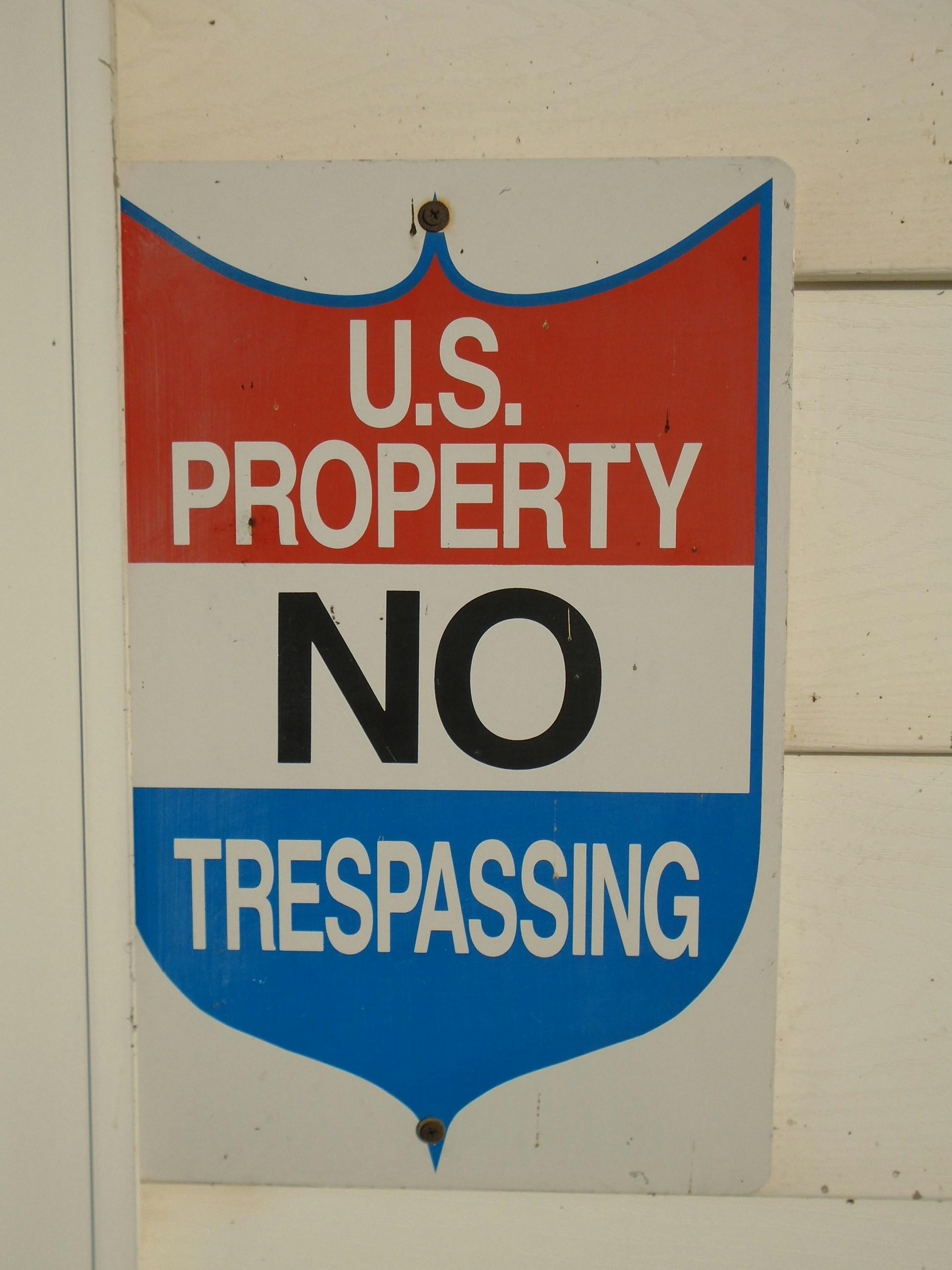
Understanding Property Rights
Property ownership in the United States is underpinned by a complex system of rights that are established both by state statutes and federal law. The fundamental rights associated with property ownership typically include the right to possess, use, exclude others, and transfer property. These rights form the backbone of real estate law and are crucial for any legal property advocate working on behalf of property owners.
In the U.S., property can be classified into different types: real property and personal property. Real property includes land and anything permanently attached to it, whereas personal property encompasses movable items. Each category is governed by a unique set of legal frameworks and implications. For instance, real property rights allow an owner to enjoy their property without interference, but these rights can sometimes be limited by zoning laws, environmental regulations, or easements that grant others certain uses of the property.
The implications of state and federal laws on property rights are significant. At the federal level, laws such as the Fair Housing Act and the Americans with Disabilities Act help protect property owners from discrimination, while also establishing responsibilities for property maintenance and accessibility. State laws can vary widely, resulting in differing rights and obligations depending on the jurisdiction. Legal property advocates must navigate these intricate laws to protect their clients effectively.
Furthermore, property rights can evolve due to changing legislation or judicial rulings. For example, the issue of eminent domain allows the government to seize property for public use, which highlights the tension between individual property rights and societal needs. Understanding these nuances in property rights is essential for any property owner, as they determine not just ownership but also influence investment and development decisions.
In conclusion, an in-depth understanding of property rights—including the varying implications of state and federal laws—is crucial for property owners seeking to navigate potential challenges. This knowledge empowers individuals to secure their interests and seek assistance from legal property advocates when necessary.
Zoning and Land Use Regulations
Zoning laws are a crucial aspect of property ownership in the United States, significantly influencing how property owners can utilize their land. These regulations are established by local authorities to guide and limit the development and use of real estate in designated areas. Understanding zoning laws is essential for property owners as they directly impact property values, potential developments, and land use.
Each jurisdiction has specific zoning codes that outline allowable uses for different parcels of land, which can vary from residential to commercial, agricultural, or industrial purposes. Property owners looking to build or alter their properties must adhere to these regulations, which dictate not just what can be constructed but also how properties can be used. For example, a legal property advocate can assist homeowners navigating these regulations to ensure compliance while maximizing the potential of their properties.
The consequences of failing to comply with zoning laws can be severe. Property owners may face fines, forced compliance, or even demolition of structures deemed illegal. Moreover, some zoning classifications can restrict homeowners from making desired changes, such as converting a single-family home into a multi-family residence or operating a business from their property. This limitation poses significant challenges, necessitating the expertise of a legal property advocate who can help clients understand local zoning requirements and represent their interests at zoning board meetings.
In conclusion, zoning laws play a pivotal role in shaping property use and development, making it imperative for property owners to stay informed about the specific regulations governing their land. Engaging with a legal property advocate can provide essential support in navigating this complex landscape, ensuring that property owners make informed decisions that align with local laws and regulations.
Tenant Rights and Responsibilities
The dynamic between landlords and tenants is governed by a complex framework of laws designed to protect the interests of both parties. Understanding these rights and responsibilities is essential for tenants, as it enables them to engage effectively in their rental agreements. For tenants, their primary rights typically include the right to a safe and habitable living environment, privacy, and freedom from illegal discrimination.
Landlords, on the other hand, are obliged to maintain the property, addressing any necessary repairs promptly and ensuring that basic health and safety standards are met. This duality in the landlord-tenant relationship underscores the need for clarity in rental contracts, which serve as the basis for setting expectations and responsibilities.
Common disputes between landlords and tenants often stem from misunderstandings about these rights and responsibilities. Issues such as non-payment of rent, property maintenance neglect, and security deposit disagreements are frequent sources of conflict. When such disputes arise, it can be beneficial for tenants to seek the advice of a legal property advocate, who can provide guidance tailored to their specific situation and help them navigate the complexities of tenant law.
Furthermore, tenants should be aware of their local laws, as regulations can vary widely by jurisdiction. For instance, some areas might have rent control measures that limit the amount by which a landlord can increase rent annually, while others may impose specific rules regarding eviction processes. Consequently, staying informed about these aspects is crucial for both parties to mitigate potential disputes and foster a more harmonious renting experience.
Developing a good relationship based on clear communication and mutual respect between landlords and tenants, along with a solid understanding of rights and obligations, can significantly minimize legal disputes. In situations where conflicts do escalate, consultation with a legal property advocate can provide essential support to protect tenant rights and ensure compliance with housing regulations.
Eviction Process and Legal Protections
The eviction process is a critical legal procedure that property owners in the United States must navigate with precision. Understanding the necessary steps and ensuring compliance with local and state laws is essential for landlords to effectively manage their rental properties. A legal property advocate can provide invaluable assistance in this regard.
Initially, the eviction process typically begins with the landlord providing a notice to the tenant. This notice informs the tenant of the landlord’s intention to terminate the lease agreement, which can occur for various reasons such as non-payment of rent, violation of lease terms, or the end of a lease period. The notice must adhere to specific legal requirements, including appropriate timing and the method of delivery, to be considered valid.
Following the issuance of the notice, if the tenant does not comply or vacate the premises, the landlord can file an eviction lawsuit, often referred to as an unlawful detainer action. The court will then schedule a hearing wherein both parties can present their cases. It is critical that landlords follow all required legal procedures during this phase, as any misstep could lead to dismissal of their eviction case.
Tenants, on the other hand, have certain legal protections during this process. They have the right to contest the eviction, and depending on the circumstances, they may be entitled to a reasonable amount of time to address issues such as unpaid rent. Additionally, many jurisdictions have laws that prohibit retaliatory evictions or evictions without just cause.
In conclusion, property owners must be thoroughly familiar with the eviction process and tenants’ legal rights. Engaging a legal property advocate can help landlords ensure compliance with these regulations, protecting their investments while also respecting tenant rights.
Discrimination in Housing
The Fair Housing Act (FHA), enacted in 1968, is a landmark piece of legislation designed to eliminate discrimination in housing practices across the United States. This law prohibits various forms of discrimination that property owners may encounter when renting or selling properties. Understanding the implications of the FHA is essential for property owners, making a legal property advocate an invaluable resource in navigating these complex legal landscapes.
Common forms of discrimination outlined under the FHA include practices based on race, color, national origin, religion, sex, familial status, and disability. Property owners must be vigilant to avoid discriminatory practices, whether intentional or unintentional. For example, a landlord might be unaware that they are discriminating by refusing to rent to families with children, which can be deemed a violation of the familial status provision in the FHA. A legal property advocate can provide guidance on how to ensure fair treatment of all potential tenants.
Another critical aspect of the FHA is its implications regarding discriminatory advertising. Property owners should avoid language or images in their advertising that could imply preference or bias against certain groups. Legal standards require that all promotional materials reflect a commitment to fairness in housing opportunities. Property owners must also be aware of local and state regulations, which may impose additional protections beyond federal requirements, further emphasizing the necessity of consulting with a legal property advocate.
Additionally, the law protects individuals with disabilities, requiring property owners to make reasonable accommodations. For instance, modifications to physical features of the property or allowing service animals can be mandated under the FHA. Property owners who fail to meet these obligations may find themselves in legal disputes, underscoring the importance of proactive legal strategies.
Ultimately, awareness and adherence to the Fair Housing Act is crucial for property owners. Engaging a legal property advocate can help navigate the applicability of these laws, ensuring compliance while promoting fair housing practices within the community.
Environmental Regulations and Liability
Property ownership in the United States is subject to a myriad of environmental regulations that can significantly impact both the ownership experience and the inherent responsibilities of property owners. These rules primarily aim to safeguard public health and the environment, yet they also impose strict liabilities on property holders. One of the critical aspects of these regulations addresses the liability associated with hazardous materials. Under various federal and state laws, property owners can be held accountable for contamination caused by hazardous substances, regardless of whether the owner was aware of the presence of such materials.
The Comprehensive Environmental Response, Compensation, and Liability Act (CERCLA), commonly known as the Superfund law, is one prominent statute that impacts property owners. This law empowers the government to clean up polluted sites and recover costs from potentially responsible parties, which can include previous and current property owners. Thus, even if a property owner did not cause the contamination, they could still face substantial financial liabilities. Property owners must be vigilant about conducting environmental assessments before purchasing land, as this awareness can be crucial in mitigating potential risks.
Furthermore, property owners have an ongoing responsibility to maintain safe environments. Under the common law doctrine of premises liability, owners can be held liable for injuries occurring on their property due to unsafe conditions, including those resulting from environmental issues. This doctrine underscores the importance of regular inspections and proper maintenance to prevent hazardous situations from arising. Failure to comply with these obligations not only endangers the safety of tenants or visitors but can also expose the owner to costly lawsuits.
Given these considerable implications, engaging with a legal property advocate is advisable for property owners. An experienced advocate can provide invaluable assistance in navigating the complex landscape of environmental requirements and liabilities, thereby ensuring compliance and reducing the risk of legal challenges.
Property Taxes and Assessment Challenges
Property taxation is a significant concern for property owners in the United States. Each year, property owners must navigate the complexities involved in property tax assessments, which can vary widely depending on the jurisdiction. Assessments are generally determined by local governments using various factors, including the property’s market value, location, and the condition of the property. However, discrepancies in these assessments can lead to unfair tax burdens for property owners, prompting the need for a legal property advocate.
One of the major issues property owners face is the methodology used to assess property values. Many times, assessments are based on outdated information or incorrect data, leading to inflated property tax bills. Property owners may feel powerless against the assessment process, especially if they are unaware of their rights and the avenues available to them to challenge these valuations. Engaging a legal property advocate can empower owners to challenge unfair assessments through various means, such as formal appeals or mediation.
Property owners can contest their assessments by gathering evidence to support their claim. This may include obtaining independent appraisals, gathering comparable sales data of similar properties, and understanding local property tax laws that dictate the assessment process. In some cases, property owners might also benefit from hiring a legal property advocate who is experienced in assessing property tax challenges. Such an advocate can provide significant insights and representations that may improve the chances of a successful appeal.
In addition to disputes over assessments, property tax laws and regulations can be complex and vary significantly across states. Therefore, it is crucial for property owners to stay informed about the laws governing property taxation in their area. By understanding their rights and the assessment process, property owners can better navigate the challenges posed by property taxes and seek recourse through legal channels when necessary.
Contractual Agreements and Lease Negotiations
For property owners in the United States, understanding the significance of contractual agreements is paramount. These agreements, particularly lease contracts, solidify the expectations and responsibilities between landlords and tenants. A well-structured lease not only delineates the scope of the rental arrangement but also serves as a legal safeguard in case of disputes.
Lease agreements typically include critical components such as the rental amount, lease duration, property maintenance responsibilities, and termination clauses. Property owners must ensure that these elements are clearly addressed to avoid ambiguities that could lead to conflicts. Additionally, it is advisable to incorporate specific provisions that cater to the unique aspects of the property and the nature of the rental market in which one operates.
Legal considerations cannot be overlooked when drafting these contracts. Property owners should be aware of local laws that dictate permissible terms within lease agreements. For instance, certain jurisdictions have laws regarding security deposits, rent control, and eviction processes that must be adhered to in order to avoid legal repercussions. This highlights the importance of consulting with a legal property advocate prior to finalizing any agreements. Such professionals possess the necessary expertise to navigate the complexities of real estate law and ensure that contracts are compliant with all relevant statutes.
Moreover, lease negotiations should be approached with diligence. Engaging in open dialogue with prospective tenants can facilitate mutually beneficial agreements. Negotiations may allow for flexibility on terms such as payment schedules or maintenance responsibilities, which can enhance landlord-tenant relationships. Ultimately, effective lease negotiations and clearly defined contractual agreements lay the foundation for successful property management, reducing legal risks and fostering a stable rental experience.
Insurance and Liability Issues
Property ownership in the United States brings numerous responsibilities, among which securing adequate insurance coverage is paramount. Legal property advocates often emphasize the importance of liability insurance, which protects property owners from financial losses that may arise due to injuries or damages occurring on their premises. Given that each state has specific regulations governing property liabilities, understanding these can help mitigate legal disputes.
A primary concern for property owners is the risk associated with potential accidents. Without the right liability coverage, a property owner may face significant legal claims for damages incurred by visitors or tenants. For instance, if a visitor falls on a poorly maintained staircase, the owner could be held liable for medical expenses, legal fees, and damages. Therefore, comprehensive liability insurance is not merely advisable; it is a crucial aspect of property management.
Moreover, inadequate insurance may lead to unintended legal complications. Property owners must be aware of common exclusions in their policies, such as certain natural disasters or specific liabilities associated with commercial properties. Engaging with a legal property advocate can provide valuable insights into understanding these nuances, ensuring that property owners select coverage that aligns with their unique situations.
Furthermore, property owners may face challenges related to tenant insurance. When leasing a property, it can be beneficial to require tenants to obtain renter’s insurance. This not only protects their personal belongings but can also minimize the risk of financial liability for property owners. In some cases, failure to address insurance properly may lead to legal disputes, especially if injuries occur and insurance coverage is found lacking.
In summary, the type of insurance a property owner maintains plays a crucial role in navigating legal challenges. By ensuring adequate liability coverage and engaging knowledgeable legal property advocates, property owners can protect themselves from potential lawsuits and financial stress, thereby enhancing their overall management of real estate investments.